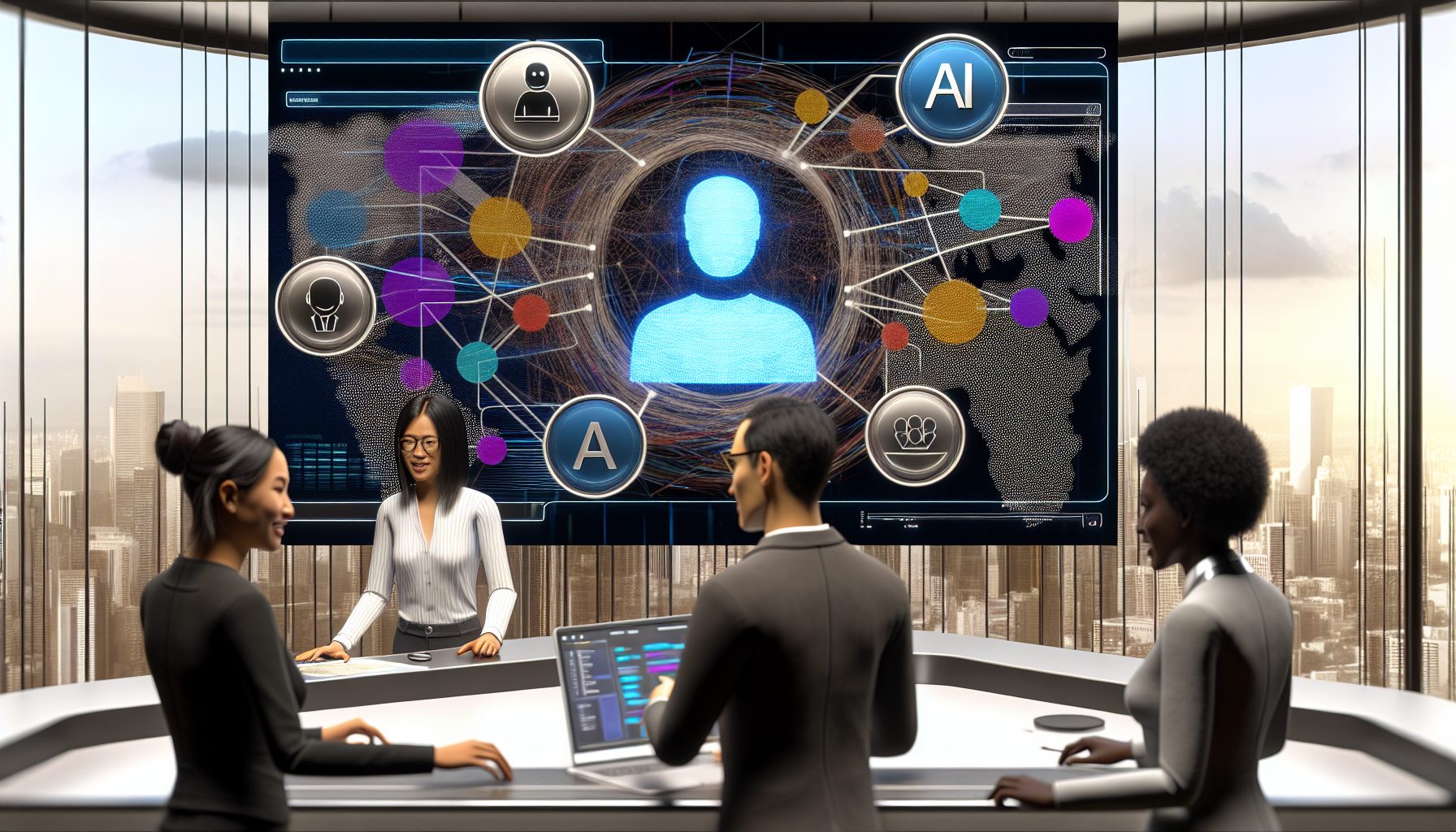
Deploy an AI Agent as a SaaS Component: API-Driven Orchestration for Scalable Web Apps
As the software development landscape continues to evolve, the integration of Artificial Intelligence (AI) into web applications has emerged as a key focus for organizations looking to enhance their offerings. The introduction of AI agents presents a potent opportunity to improve user experience, optimize operations, and extract valuable data insights. However, deploying these advanced components as Software as a Service (SaaS) can be a complex endeavor. How can you ensure they remain scalable, efficient, and integrated seamlessly into your existing system?
This article explores the intricacies of deploying AI agents as SaaS components, concentrating on API-driven orchestration. By discussing the challenges, solutions, and practical applications, we will illustrate the importance of this approach in today’s technology-centric world.
Estimated Reading Time: 8 minutes
- Understand the significance of API-driven orchestration in AI agent deployment.
- Learn about scalability challenges and effective solutions.
- Explore real-world applications highlighting successful AI agent integration.
- Gain insights on data management and privacy issues in AI deployments.
- Identify best practices for architecting API-led integrations.
When considering integrating AI agents into your web applications, understanding the environment and its challenges is crucial. Below, we delve into the context surrounding AI agent deployment and the hurdles organizations frequently face.
Context and Challenges
To successfully deploy AI agents, it is essential to define the main components. An AI agent is a software entity capable of autonomously performing tasks such as data analysis, pattern recognition, and decision-making based on predefined criteria. While integrating these agents into web applications can enhance functionalities, it also ushers in a set of challenges, including:
- Scalability: With an increase in user base, the AI system must manage heightened loads without sacrificing performance.
- Integration: Aligning AI capabilities with current workflows and technologies can lead to compatibility challenges.
- Data Management: Ensuring data privacy and compliance can complicate sharing between your web application and the AI agent.
With these considerations, adopting a structured approach to deploying AI agents is critical. Successful integration can significantly elevate your platform’s performance, while improper execution can result in wasted resources and customer dissatisfaction.
Solution: API-Driven Orchestration
The most effective way to address these challenges is through an API-driven orchestration model. This methodology facilitates seamless communication among various services, including the AI agent, through well-defined interfaces (APIs). Here’s how to implement this approach:
- Define Your API Architecture: Initiate by designing a clear API architecture that delineates how the AI agent interacts with other components of your web application. Ensure the APIs are RESTful to streamline communication.
- Utilize Microservices: Divide your web application into microservices, allowing the AI agent to function as a standalone service. This promotes greater flexibility and independent scaling of AI functionalities.
- Data Flow Management: Put in place robust data management protocols to ensure secure and efficient data exchanges between the AI and your web app. Consider using webhooks or message queues for asynchronous communications.
- Continuous Learning and Adaptation: Equip your AI agent with mechanisms for continuous learning from user interactions, refining its operational efficacy as time progresses.
Following this structured approach makes the deployment of an AI agent more manageable. Organizations seeking a partner for this integration can benefit from bespoke development agencies experienced in AI. For instance, MySushiCode specializes in crafting tailored solutions for diverse web applications.
Concrete Example: E-commerce AI Integration
To illustrate the API-driven orchestration, let’s consider a hypothetical case study of an e-commerce platform that aims to enhance customer experience through AI-powered chat support.
This platform comprises multiple microservices, including a product catalog, order processing, and customer relationship management (CRM). To deploy an AI agent, the development team leverages an API that enables communication between the chat service (AI agent) and the CRM system. Through this API, the AI can access customer inquiries, order histories, and product details to deliver personalized responses.
As user traffic scales, the chat service can dynamically adjust based on demand without affecting other services. The API ensures data privacy compliance, with customer data anonymized as necessary.
After the implementation, the platform experiences a 25% reduction in operational costs related to customer support, significantly enhancing user satisfaction. This example underscores the effectiveness of API-driven orchestration when integrating an AI agent into a web application.
FAQ
1. What are the key benefits of deploying an AI agent in a web app?
Deploying an AI agent can enhance user interactions, automate numerous tasks, reduce error rates, and offer 24/7 support, leading to significant operational efficiencies and increased customer satisfaction.
2. How do I ensure data privacy while using an AI agent?
To ensure data privacy, implement a combination of data encryption, anonymization, and compliance with regulations like GDPR. Ensure your APIs have strict authentication and authorization mechanisms to manage data access effectively.
3. What technologies are best suited for API-driven orchestration?
Technologies such as RESTful APIs, gRPC, and message brokers (e.g., RabbitMQ) are well-suited for API-driven orchestration. Adopting microservices architecture and leveraging cloud platforms can further enhance scalability and flexibility.
Authority References
For further reading and authoritative insights on deploying AI agents, consider checking out:
Conclusion
In summary, integrating an AI agent as a SaaS component through API-driven orchestration is a strategic approach that fosters scalability and efficiency. By navigating the technical intricacies and implementation considerations, organizations can effectively manage the challenges of deploying AI agents. For those contemplating an integration project, collaborating with a skilled partner is essential to ensure your AI deployment is tailored to meet your specific needs. Explore options like MySushiCode to discover expert assistance for your custom development requirements.

Tech blogger focused on AI, automation, and modern web tools.
Sharing practical insights, best practices, and strategies to build smarter digital systems.