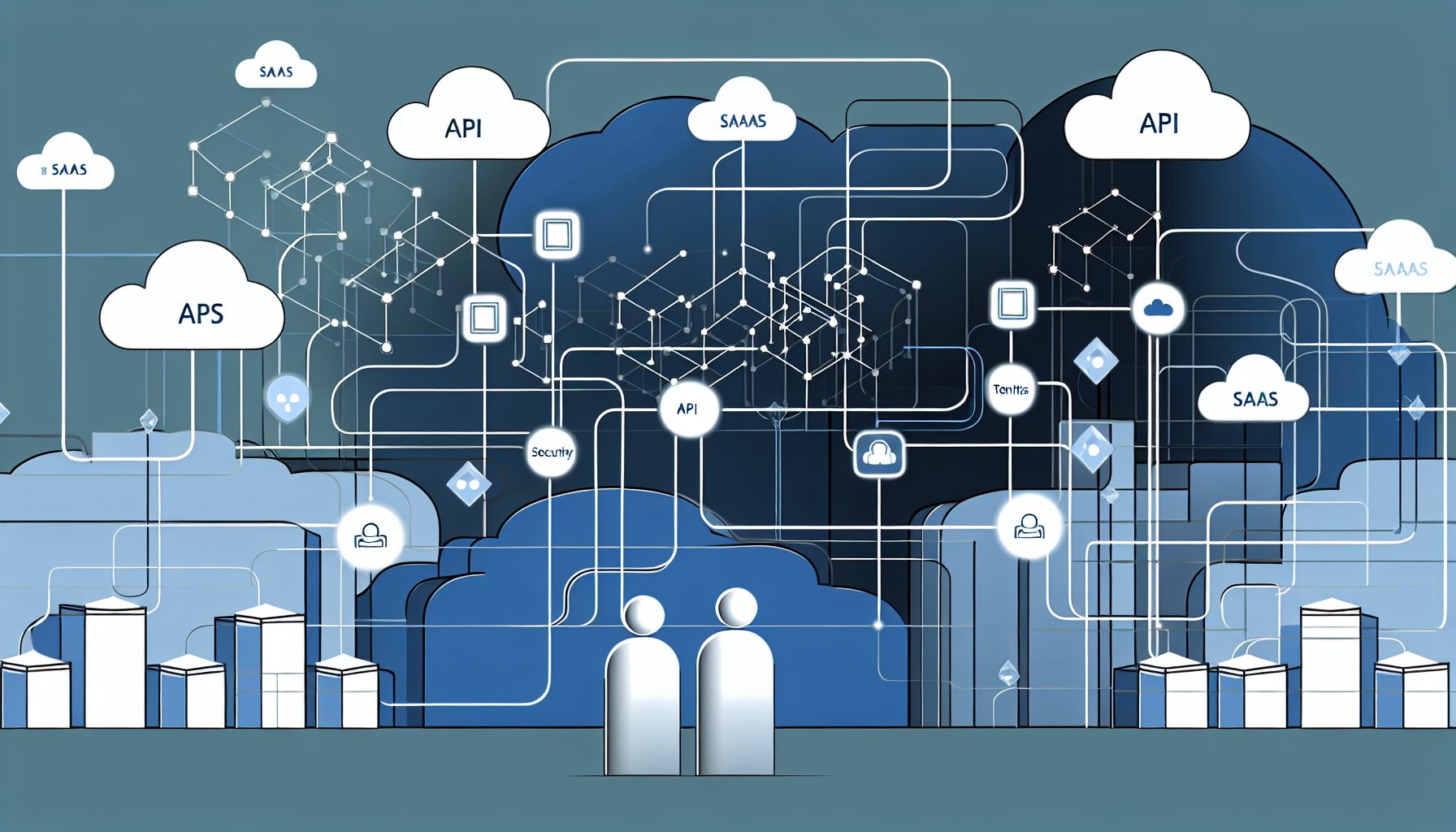
Among the pressing challenges in a multi-tenant environment are:
- Resource Management: Multiple clients sharing infrastructure can lead to performance bottlenecks.
- Data Isolation: Ensuring that data remains secure and isolated among tenants is crucial for compliance and trust.
- Scalability: Designing systems that can scale efficiently as demand grows is a fundamental need.
Solution / Approach
The transition from API-first to SaaS involves several architectural shifts. The key to this transformation lies in developing a scalable design for AI agents capable of managing multiple tenants swiftly and effectively. Here’s a strategic approach to facilitate this:
- Emphasize Multi-Tenancy: Design AI agents with a multi-tenant architecture to ensure each client can use the same service instance while keeping their data secure.
- Standardized APIs: Create APIs that support diverse functionalities for various tenants, reducing code duplication and easing maintenance.
- Containerization: Employ container technologies, such as Docker and orchestration platforms like Kubernetes, to simplify deployment and scalability.
- Cloud Services: Utilize cloud-based solutions for computing and storage, enabling on-demand resource scaling as your user base expands.
- Analytics and Monitoring: Implement comprehensive monitoring tools to track performance and usage metrics, continuously optimizing your architecture based on this data.
Custom development agencies, such as MySushiCode, can help organizations align these technologies with their strategic objectives through tailored solutions.
Concrete Example / Case Study
To illustrate these concepts, let’s consider a fictional company, SmartHealth, which provides AI-driven health assessments for patients via various healthcare providers. Initially adopting an API-first strategy, SmartHealth prioritized the development of a robust backend AI engine.
As demand increased, they confronted challenges when transitioning to a full SaaS model with multiple providers as clients. Customization was essential for each healthcare provider while sharing the same AI infrastructure was crucial for efficiency.
SmartHealth implemented a multi-tenant architecture to allow different providers access to a shared AI engine while ensuring data protection. They developed standardized APIs that permitted providers to tailor health assessments according to their needs without modifying the core AI algorithms.
By containerizing their applications using Kubernetes, they efficiently managed deployments and scaling, automatically adjusting to usage spikes, such as during flu season. They also established cloud storage solutions to maintain data easily retrievable while securely segregating it between tenants.
This implementation resulted in reduced operational costs, quicker feature deployment, and enhanced customer satisfaction due to lowered latency and improved service delivery.
FAQ
1. What is multi-tenancy, and why is it important for AI agents?
Multi-tenancy permits multiple clients to share a single application instance while separating their data securely. For AI agents, this design is vital as it allows organizations to deliver efficient solutions without compromising data integrity or security.
2. How can containerization improve deployment and scaling?
Containerization encapsulates applications and their dependencies into isolated units, enhancing portability and consistency across environments. This practice facilitates automated deployments and scales operations efficiently based on demand.
3. What are the key benefits of using cloud services for AI solutions?
Cloud services offer flexible, on-demand resource access, significantly easing infrastructure management. They enhance scalability and adaptability, allowing businesses to grow seamlessly alongside their user base and data requirements.
Authority References
For further reading and authoritative insights, consider the following sources:
Conclusion
The transition from an API-first approach to a comprehensive SaaS model for scalable AI agents can be intricate yet fulfilling. By prioritizing multi-tenancy and leveraging innovative technologies such as containerization and cloud services, organizations can efficiently service multiple clients while maintaining high performance, robust security, and enhanced user satisfaction. Investing in these elements equips businesses for growth and responsiveness to evolving market demands.
From API-First to SaaS: Architecting Scalable AI Agents for Multi-Tenant Backends
As businesses increasingly adopt artificial intelligence (AI) for their products and services, the demand for scalable AI solutions has surged. This article explores the transformation from an API-first approach to a software-as-a-service (SaaS) model, focusing on the architectural strategies needed to design scalable AI agents for multi-tenant backends.
Estimated Reading Time: 8 minutes
- Understanding API-first and SaaS paradigms.
- Identifying key challenges in multi-tenancy for AI solutions.
- Strategic architectural practices for scalable AI agent design.
- Case studies on effective implementation.
- Frequently asked questions about AI multi-tenancy.
Table of Contents
- Context and Challenges
- Solution / Approach
- Concrete Example / Case Study
- FAQ
- Authority References
- Conclusion
Context and Challenges
To effectively navigate the transition from an API-first approach to a SaaS model, it’s crucial to define key terms. An API-first strategy emphasizes the development of an application programming interface (API) before creating frontend applications, enabling the creation of scalable, robust systems that integrate smoothly across platforms.
In contrast, SaaS delivers software solutions over the internet on a subscription basis. Users can access software without needing to install or maintain physical copies as everything is cloud-based. The shift to a SaaS model comes with unique challenges—including resource management and ensuring security between tenants that share the same infrastructure.
Among the pressing challenges in a multi-tenant environment are:
- Resource Management: Multiple clients sharing infrastructure can lead to performance bottlenecks.
- Data Isolation: Ensuring that data remains secure and isolated among tenants is crucial for compliance and trust.
- Scalability: Designing systems that can scale efficiently as demand grows is a fundamental need.
Solution / Approach
The transition from API-first to SaaS involves several architectural shifts. The key to this transformation lies in developing a scalable design for AI agents capable of managing multiple tenants swiftly and effectively. Here’s a strategic approach to facilitate this:
- Emphasize Multi-Tenancy: Design AI agents with a multi-tenant architecture to ensure each client can use the same service instance while keeping their data secure.
- Standardized APIs: Create APIs that support diverse functionalities for various tenants, reducing code duplication and easing maintenance.
- Containerization: Employ container technologies, such as Docker and orchestration platforms like Kubernetes, to simplify deployment and scalability.
- Cloud Services: Utilize cloud-based solutions for computing and storage, enabling on-demand resource scaling as your user base expands.
- Analytics and Monitoring: Implement comprehensive monitoring tools to track performance and usage metrics, continuously optimizing your architecture based on this data.
Custom development agencies, such as MySushiCode, can help organizations align these technologies with their strategic objectives through tailored solutions.
Concrete Example / Case Study
To illustrate these concepts, let’s consider a fictional company, SmartHealth, which provides AI-driven health assessments for patients via various healthcare providers. Initially adopting an API-first strategy, SmartHealth prioritized the development of a robust backend AI engine.
As demand increased, they confronted challenges when transitioning to a full SaaS model with multiple providers as clients. Customization was essential for each healthcare provider while sharing the same AI infrastructure was crucial for efficiency.
SmartHealth implemented a multi-tenant architecture to allow different providers access to a shared AI engine while ensuring data protection. They developed standardized APIs that permitted providers to tailor health assessments according to their needs without modifying the core AI algorithms.
By containerizing their applications using Kubernetes, they efficiently managed deployments and scaling, automatically adjusting to usage spikes, such as during flu season. They also established cloud storage solutions to maintain data easily retrievable while securely segregating it between tenants.
This implementation resulted in reduced operational costs, quicker feature deployment, and enhanced customer satisfaction due to lowered latency and improved service delivery.
FAQ
1. What is multi-tenancy, and why is it important for AI agents?
Multi-tenancy permits multiple clients to share a single application instance while separating their data securely. For AI agents, this design is vital as it allows organizations to deliver efficient solutions without compromising data integrity or security.
2. How can containerization improve deployment and scaling?
Containerization encapsulates applications and their dependencies into isolated units, enhancing portability and consistency across environments. This practice facilitates automated deployments and scales operations efficiently based on demand.
3. What are the key benefits of using cloud services for AI solutions?
Cloud services offer flexible, on-demand resource access, significantly easing infrastructure management. They enhance scalability and adaptability, allowing businesses to grow seamlessly alongside their user base and data requirements.
Authority References
For further reading and authoritative insights, consider the following sources:
Conclusion
The transition from an API-first approach to a comprehensive SaaS model for scalable AI agents can be intricate yet fulfilling. By prioritizing multi-tenancy and leveraging innovative technologies such as containerization and cloud services, organizations can efficiently service multiple clients while maintaining high performance, robust security, and enhanced user satisfaction. Investing in these elements equips businesses for growth and responsiveness to evolving market demands.

Tech blogger focused on AI, automation, and modern web tools.
Sharing practical insights, best practices, and strategies to build smarter digital systems.