API-first AI Agents: Automating SaaS Onboarding and Backend with MySushiCode
In today’s fast-paced digital landscape, effective onboarding for Software as a Service (SaaS) products is crucial for retaining customers and ensuring their success. But how do you streamline this process while minimizing manual tasks? Enter the concept of API-first AI agents—a modern approach that can transform your onboarding experience. In this article, we’ll explore how integrating these agents can reduce friction and enhance efficiency, particularly through the innovative work done by MySushiCode.
Estimated Reading Time: 8 minutes
- API-first AI agents streamline onboarding processes for SaaS products.
- Automating manual tasks can lead to 50% faster onboarding times.
- Personalized user experiences enhance customer satisfaction.
- Businesses can customize solutions to fit their unique onboarding needs.
- Choosing the right API can significantly impact the success of integrations.
Table of Contents
- Context and Challenges
- Solution / Approach
- How It Works
- Concrete Example / Case Study
- FAQ
- Authority References
- Conclusion
Context and Challenges
At its core, onboarding is about guiding users through a product’s features and functionalities to ensure they can effectively utilize it. Traditional onboarding processes can be cumbersome, involving lengthy tutorials, extensive documentation, and sometimes even one-on-one customer support. This presents several challenges:
- Time Consumption: Manual onboarding can take weeks, leading to delays in customer satisfaction.
- Inconsistent Experiences: Different users might receive varying levels of support, creating gaps in their understanding.
- Scalability Issues: As companies grow, managing onboarding becomes increasingly complex.
Customers today expect seamless, intuitive experiences. If onboarding is a challenge, users may abandon the product altogether. Additionally, research from the Forrester Research shows that effective onboarding can increase user retention rates by up to 100%. This highlights the need for a more scalable, efficient approach, and this is where API-first AI agents come into play.
Solution / Approach
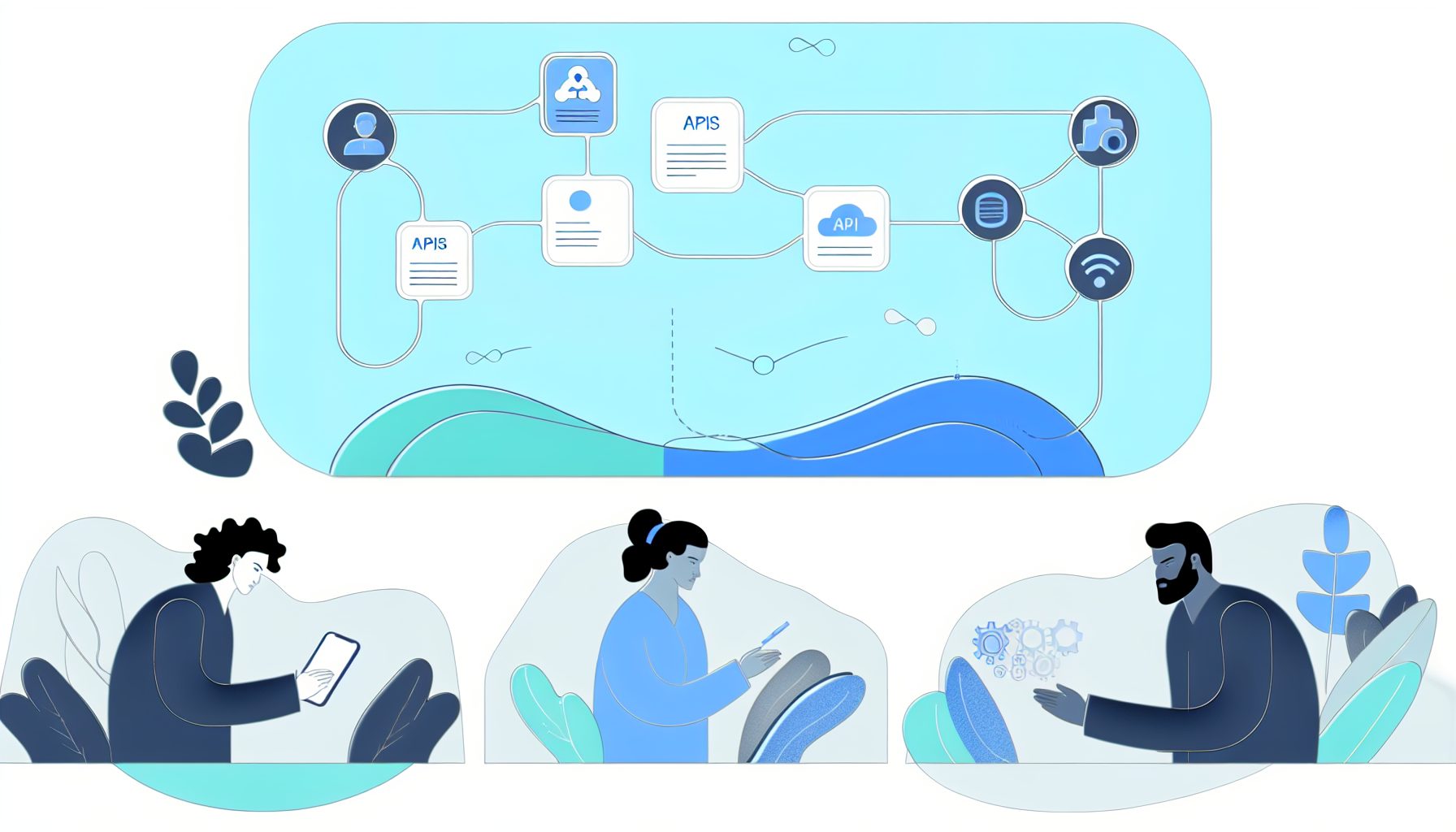
API-first AI agents are tools designed to interface with various APIs to manage different aspects of SaaS products. They automate routine tasks, facilitate communication between different software components, and improve the user experience through proactive engagement. By prioritizing API integration, companies can build a robust framework that enables these agents to pull together information and automate workflows effectively.
With the help of specialized development teams, like MySushiCode, businesses can create custom solutions tailored to their specific onboarding needs. This typically involves:
- Defining APIs: Understand which APIs will be most beneficial for onboarding processes, such as CRM systems, payment gateways, or third-party services.
- Developing AI Agents: Creating agents capable of querying these APIs, processing information, and providing real-time assistance to users during onboarding.
- Monitoring and Optimization: Continuously assessing the system to identify areas for improvement, ensuring ongoing efficiency and user satisfaction.
The combination of API-first design with AI capabilities not only provides a streamlined onboarding process but also allows for customization and flexibility, adapting to changing user needs and technological advancements.
How It Works
The architecture of API-first AI agents revolves around several core components:
- API Layer: This is where the application programming interface connects with external systems. APIs allow for real-time data flow and interaction between distinct software systems, making it essential for smooth onboarding.
- AI Processing Unit: This component utilizes artificial intelligence to analyze data, understand user behavior, and generate responses tailored to individual users. AI models can predict user needs based on interaction patterns.
- User Engagement Mechanism: This includes chatbots, automated emails, and in-app messages that interact with users. These mechanisms ensure that support is available when users need it most, providing a seamless experience.
By combining these elements, organizations can build an efficient onboarding experience that can adapt quickly to user inputs and feedback.
Concrete Example / Case Study
Let’s consider a hypothetical SaaS company, “CloudDoc,” specializing in document management solutions. CloudDoc sees a growing challenge in onboarding new clients quickly and effectively. Their existing onboarding process involves manual data entry, lengthy email exchanges, and follow-up calls that result in inconsistent experiences.
To address this, CloudDoc partners with MySushiCode to implement an API-first AI solution. They identify several key APIs they need to integrate:
- Customer Relationship Management (CRM) API to sync user data.
- Payment Processing API to automate subscription management.
- Analytics API to track user engagement and identify bottlenecks in onboarding.
With these integrations, the new AI agent automates the following tasks:
- Automatically populating user accounts with data from the CRM.
- Sending personalized onboarding emails informed by user interactions.
- Providing in-app guidance based on user behavior, highlighting features that are most relevant to their usage.
As a result, CloudDoc sees a 50% reduction in onboarding time and a significant increase in user satisfaction. Users report they feel supported right from the start, significantly enhancing their perception of the product. Successful case studies like these are becoming more common as SaaS businesses adopt API-first designs.
FAQ
1. What is an API-first approach?
An API-first approach means designing and building your software with APIs at the forefront. This offers greater flexibility and enables easier integration with other systems, ultimately enhancing the user experience.
2. How can AI agents impact customer onboarding?
AI agents can automate repetitive tasks, provide real-time support, and personalize user experiences. This leads to faster onboarding, improved user satisfaction, and reduced manual workload.
3. What are the potential drawbacks of using API-first AI agents?
While API-first AI agents offer many benefits, companies must consider the complexity of integration and the need for ongoing maintenance and monitoring of these systems to ensure they function correctly.
Authority References
For further reading on AI in customer onboarding, you may refer to:
- How AI is Changing the Way Companies Engage with Customers – Forbes
- Gartner Report on Digital Transformation Investments
Conclusion
API-first AI agents represent a powerful approach to automating onboarding processes for SaaS products. By partnering with development agencies like MySushiCode, companies can successfully streamline their workflows and enhance user experiences. As we continue to embrace digital transformation, leveraging these technologies will be vital for staying competitive and meeting customer expectations.

Tech blogger focused on AI, automation, and modern web tools.
Sharing practical insights, best practices, and strategies to build smarter digital systems.