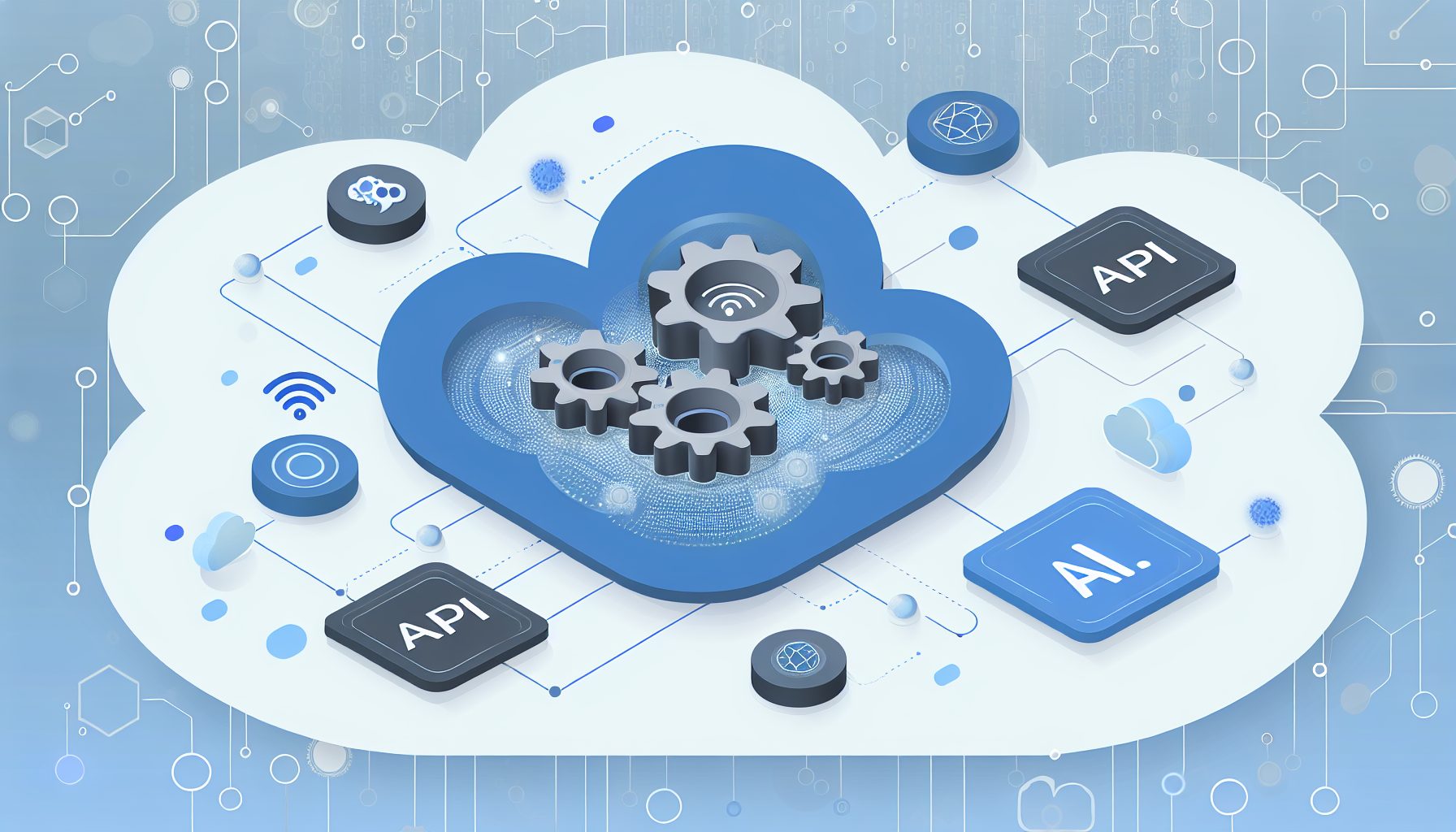
From API Integration to Deployed AI Agents: A Practical Playbook for Scalable SaaS Backends
In today’s rapidly evolving digital landscape, the integration of Artificial Intelligence (AI) into Software as a Service (SaaS) platforms represents both an opportunity and a challenge. The convergence of API integration and AI deployment can offer scalable solutions. This article will explore the journey from API integration to the deployment of AI agents, providing a practical playbook for development teams and decision-makers.
Estimated Reading Time: 8 minutes.
- Understand the significance of API integration in SaaS applications.
- Identify common challenges in scaling AI-driven solutions.
- Explore structured approaches for integrating AI agents.
- Review a practical case study of AI implementation.
- Learn common FAQs regarding SaaS and AI deployments.
Table of Contents
- Context and Challenges
- Solution / Approach
- Concrete Example / Case Study
- FAQ
- Authority References
- Conclusion
Context and Challenges
To lay the foundation, let’s define our key terms. API integration refers to the way different software components communicate with each other. In the context of SaaS, this often involves connecting various services to create a seamless user experience. Now, consider the challenges: building a scalable backend that maintains performance as user demand grows, while also incorporating AI to enhance functionality.
Common pain points can include:
- Scalability: Ensuring that infrastructure can handle increasing loads without sacrificing performance.
- Data Handling: Effectively managing and processing large volumes of data to train AI models.
- Integration Complexity: Aligning various APIs and ensuring they work together without conflicts.
When we integrate AI agents, additional challenges arise, such as:
- Maintaining the reliability of AI responses.
- Managing the cost of deploying these technologies.
Understanding these constraints is crucial for successful implementation. A comprehensive approach will allow for sustainable growth and effective service delivery.
Solution / Approach
The solution to these challenges involves a structured approach that combines solid API architecture with a well-defined AI strategy. Begin by building a microservices architecture, which allows individual components of your application to scale independently. This is particularly useful when integrating different AI features, as each service can be adjusted based on demand and performance requirements.
In practical terms, integrating an AI agent into a web app can be streamlined through clear APIs that allow your various features to communicate with the AI model. An effective starting point is to utilize platforms such as MySushiCode, which specialize in custom development for websites and applications. They provide the technical expertise needed to implement AI solutions that are tailored for your specific use case.
This approach fosters a modular environment and lays the groundwork for continuous improvement. By utilizing cloud-based services, you can enhance your backend capabilities without investing heavily in on-premise infrastructure. Additionally, incorporating solutions that adjust based on usage patterns can proactively address scaling concerns.
Concrete Example / Case Study
Let’s take a practical look at a hypothetical implementation. Suppose you run a customer support SaaS platform. You decide to integrate an AI chatbot that can answer frequently asked questions and assist with troubleshooting. Here’s how you might approach this:
- Define the Scope: Identify the common queries and issues your users face. Gather data on previous customer interactions to train your AI model.
- Choose the Right APIs: Use natural language processing APIs from providers like Google or IBM Watson to handle user queries effectively.
- Develop the Microservice: Create a dedicated microservice for the AI chatbot. This service can independently scale as user interactions increase.
- Integrate and Test: Connect your chatbot service with your existing support platform via API. Conduct thorough testing to ensure that the AI understands and correctly responds to user inputs.
- Monitor and Optimize: After deployment, continuously monitor the chatbot’s performance. Use feedback to refine the AI model, enhancing its ability to resolve queries accurately.
This scenario illustrates how to implement an AI agent gradually while maintaining flexibility and scalability, ultimately leading to an improved user experience and operational efficiency.
FAQ
1. What are the common APIs used in SaaS development?
Common APIs include RESTful APIs, GraphQL, and third-party services like payment processing APIs (Stripe, PayPal), analytics APIs (Google Analytics), and communication APIs (Twilio, SendGrid).
2. How do I ensure the scalability of my backend?
To ensure scalability, use microservices, leverage cloud infrastructure, implement load balancers, and regularly assess performance metrics to address bottlenecks.
3. What are the key considerations for deploying AI agents?
When deploying AI agents, consider data privacy regulations, model training accuracy, performance monitoring, and a strategy for handling unexpected interactions.
Authority References
- What is Artificial Intelligence? – IBM Cloud
- What is API Management? – Google Cloud Blog
- What is API Integration? – Forbes
Conclusion
The journey from API integration to deploying AI agents in your SaaS backend is a multifaceted endeavor that, when approached systematically, can lead to substantial improvements in functionality and user experience. By understanding the foundational elements of integration, embracing a scalable architecture, and leveraging expert resources, you can navigate the complexities of modern application development effectively. Remember, continuous optimization and monitoring are key to ensuring long-term success in a competitive landscape.

Tech blogger focused on AI, automation, and modern web tools.
Sharing practical insights, best practices, and strategies to build smarter digital systems.